Searching for “fat freezing at home” can be confusing because the phrase can mean two very different things.
Some people mean using an ice pack, cooling belt or consumer device themselves. Others mean having a professional cryolipolysis treatment carried out in their own home by a trained practitioner.
Those are not the same thing.
Professional cryolipolysis uses controlled cooling to target localised areas of subcutaneous fat as part of non-surgical body contouring. Clinical research has investigated its use for localised fat reduction, although results vary between individuals and treatment areas, and it should not be confused with a general weight-loss treatment.[1][2]
Can you freeze fat at home with an ice pack or belt?
In simple terms, you should not try to reproduce professional cryolipolysis with household ice packs or unverified home devices.
Professional treatment is not simply a question of making an area “as cold as possible”. The treatment involves controlled cooling delivered through an applicator designed for the intended area. The temperature, contact with the skin and treatment parameters all matter.
Direct contact with ice can cause cold-related skin injury if it is applied for too long or at an inappropriate temperature. With home-use devices, the safety and effectiveness of the specific product should be carefully considered, as consumer products may not provide the same controlled treatment conditions as professional cryolipolysis. Also Check Out: Bidding Farewell to Muffin Tops with Aqualyx Fat Injections
There is also an important evidence issue. The ASA and CAP state that claims about cryotherapy producing fat or weight loss require robust supporting evidence, and they have previously challenged unsupported claims made for home cryotherapy products.[3]
So if a product promises to “freeze away fat” at home, look beyond the marketing. Ask what evidence exists for that specific device and the claims being made about it.
How is professional cryolipolysis different?
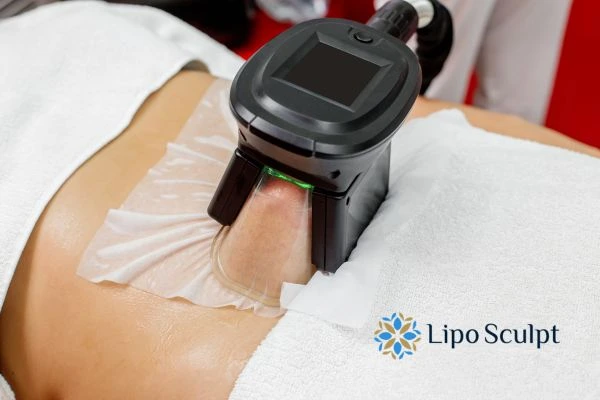
Cryolipolysis is a non-surgical body-contouring technique that uses controlled cooling to target subcutaneous fat in a selected area.
The aim is localised fat reduction, rather than treating obesity or producing substantial overall weight loss. Clinical studies have reported reductions in measures such as fat thickness and circumference following cryolipolysis, although the extent of change varies between individuals, treatment areas and treatment protocols.[1][2]
This distinction matters.
If your main concern is a small area of fat that remains despite maintaining a healthy lifestyle, body contouring may be something worth discussing. If you are looking for significant weight loss, cryolipolysis is not a substitute for medical weight-management support, nutrition or exercise. Check Out Our Cryolipolysis Reviews Here
What happens during a professional treatment?
Before treatment, the area should be assessed to determine whether cryolipolysis is appropriate.
This is an important part of the process because not every type of fullness is simply a pocket of subcutaneous fat. Skin laxity, muscle shape, swelling and other physical or medical factors can influence how an area looks.
During treatment, an applicator is positioned over the selected area and cooling is applied.
People can experience sensations such as cold, pulling, pressure, tingling or temporary discomfort. Sensation can also change for a period after treatment.
The exact experience depends on the equipment, treatment area and individual.

What results should you realistically expect?
One of the most important points to understand is that cryolipolysis is not an instant fat-loss treatment.
Changes develop over time rather than appearing immediately after the session. Research has reported improvements in local fat measurements during follow-up, but the degree of change differs between people and treatment areas.[1][2]
The treatment cannot guarantee a particular number of centimetres lost, a particular clothing size or a specific visual result.
It also does not prevent future changes in body composition. Weight gain can still affect the remaining fat cells and the overall shape of the treated area.
Does professional fat freezing hurt?
The experience varies.
Cooling can initially feel very cold, and the applicator may create pressure or a pulling sensation. Temporary numbness or altered sensation is also reported following cryolipolysis.
Other possible effects include redness, swelling, bruising, tenderness, pain, tingling or temporary changes in sensation. The type and duration of these effects can vary between individuals. [2][4]
These effects are usually discussed as part of the treatment consultation so that you know what may happen rather than being surprised afterwards.
Are there risks with cryolipolysis?
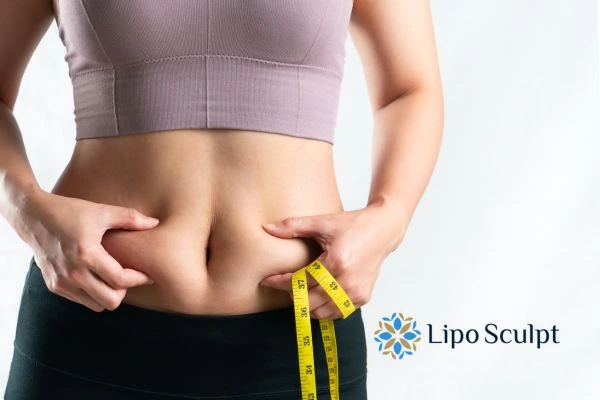
Like any cosmetic procedure, cryolipolysis is not completely risk-free.
Published evidence has reported effects such as redness (erythema), swelling, numbness, sensitivity and pain. Less common complications have also been described.[4]
One particularly unusual complication is paradoxical adipose hyperplasia (PAH). This is where the treated area becomes enlarged rather than reduced after cryolipolysis. It is uncommon, but it is important that customers are made aware of it before treatment.[5]
A 2025 systematic review and meta-analysis estimated a pooled PAH incidence of 0.22%, although the authors rated the certainty of the evidence as low and noted that PAH may be under-recognised.[5]
That is one reason why a responsible consultation should involve more than discussing the possible benefits.
Who might not be suitable?
Suitability needs to be considered individually.
Cryolipolysis is intended for localised areas of subcutaneous fat rather than unexplained swelling, a medical condition or generaCryolipolysis is intended for localised areas of subcutaneous fat rather than unexplained swelling, a suspected medical condition or general weight management. If there is any uncertainty about the cause of a change in the body, appropriate medical advice should be sought before considering cosmetic treatment.l weight management.
If an area has recently changed unexpectedly, is painful, swollen, hard or associated with other symptoms, it is sensible to seek appropriate medical advice rather than assuming it is simply unwanted fat. See: Does Skin Sag After Fat Dissolving Injections?
You should also tell the practitioner about relevant medical conditions, previous procedures and medications during your consultation.
Is professional mobile fat freezing different from DIY treatment?
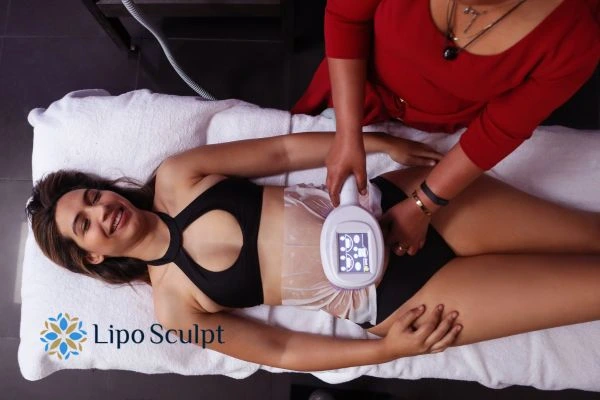
A professional mobile cryolipolysis treatment and DIY fat freezing should not be treated as equivalent.
If a trained practitioner provides professional cryolipolysis in your home, the location itself does not make the treatment a DIY procedure. The important considerations include who is providing the treatment, what equipment is being used, whether you have been appropriately assessed and whether the treatment is delivered according to the relevant manufacturer instructions and professional requirements.
By contrast, experimenting with ice, homemade cooling methods or an unverified consumer device removes much of that professional assessment and control.
Questions to ask before booking
Before paying for any fat-freezing treatment, ask:
- What type of cryolipolysis equipment is being used?
- Is the device intended for the treatment being offered?
- Who will carry out my treatment and what training do they have?
- How will you decide whether I am suitable?
- What results are realistic for my particular area?
- What side effects should I expect?
- What happens if I develop an unexpected reaction?
- What aftercare will I receive?
- What happens if the treatment does not produce the result I hoped for?
A good consultation should leave you with enough information to make an informed decision, including reasons why treatment might not be recommended.

So, does fat freezing at home work?
If by “fat freezing at home” you mean using ice packs, cooling belts or an unverified consumer device yourself, there is insufficient evidence to conclude that these methods reproduce the controlled treatment conditions or results of professional cryolipolysis. Some home cooling methods may also expose the skin to unnecessary cold-related injury. Some home cooling methods may also expose the skin to unnecessary injury.
Professional cryolipolysis can also be delivered in a person’s home, provided the treatment is carried out by an appropriately trained practitioner using suitable equipment and following the relevant treatment and safety requirements.
The most important question is therefore not simply whether fat freezing happens at home.
It is how the treatment is being delivered, whether it is appropriate for you, and whether your expectations match what cryolipolysis can realistically achieve.
Frequently asked questions
Q: Can I use ice to freeze belly fat?
No. Applying ice to your stomach has not been established as an effective way to reproduce professional cryolipolysis. Keeping ice against the skin for too long can also cause cold-related skin injury.
Q: Is fat freezing the same as weight loss?
No. Cryolipolysis is designed for localised body contouring and fat reduction rather than significant overall weight loss.[1][2]
Q: How quickly will I see results?
Results are not normally an immediate change following treatment. Changes develop over time, and the extent varies between individuals and treatment areas.
Q: Can fat freezing permanently remove fat?
Cryolipolysis is intended to reduce localised fat in a treated area, but it should not be presented as a guarantee of a permanently unchanged body shape. Future changes in weight and body composition can affect the appearance of the area.
Q: Are there side effects?
Yes. Redness, swelling, numbness, sensitivity, bruising and pain have all been reported. Rare complications can also occur.[4][5]
Q: What is paradoxical adipose hyperplasia?
PAH is an uncommon complication in which the treated area becomes enlarged rather than reduced after cryolipolysis. It should be discussed during informed consent.[5]
Q: Is mobile fat freezing the same as DIY fat freezing?
No. A professional mobile treatment involves practitioner assessment and professional equipment. DIY cooling with household products or unverified devices is a different situation.
Q: Should I have a consultation before fat freezing?
Yes. A consultation should take place before treatment so that your suitability, treatment area, medical history, expectations and potential risks can be discussed. A practitioner should also explain what results are realistic for you and when treatment may not be appropriate.
References & further reading
[1] Hakami A, et al. Effectiveness of Cryolipolysis in Body Contouring and Fat Reduction: A Systematic Review and Meta-analysis. World Journal of Plastic Surgery. 2025.
https://pubmed.ncbi.nlm.nih.gov/41607567/
[2] Ravindran R, et al. Cryolipolysis and associated health outcomes, adverse events, and satisfaction: A systematic review and meta-analysis. Obesity Reviews. 2025.
https://pubmed.ncbi.nlm.nih.gov/40211915/
[3] Advertising Standards Authority (ASA) / Committee of Advertising Practice (CAP). Health: Cryotherapy.
https://www.asa.org.uk/advice-online/health-cryotherapy.html
[4] Adverse Events Associated With Cryolipolysis: A Systematic Review of the Literature. 2020.
https://pubmed.ncbi.nlm.nih.gov/32976167/
[5] Mah AE, et al. Incidence of Paradoxical Adipose Hyperplasia After Cryolipolysis: A Systematic Review and Meta-Analysis. Aesthetic Surgery Journal Open Forum. 2025.
https://pubmed.ncbi.nlm.nih.gov/41322038/
For more information about cryolipolysis or to discuss your suitability, please call us on 03300101799.